Laser procedures have become one of the most discussed modern approaches for wart management, especially when considering Laser Warts Removal Treatment in Dubai as a widely searched term in aesthetic and dermatological care. The overall safety of this approach is generally associated with advanced precision techniques that target unwanted skin growth while aiming to preserve surrounding healthy tissue. Many individuals explore this option due to its reputation for controlled application and its ability to address different types of warts with minimal disruption to daily life. The growing interest reflects how people today prefer solutions that are both efficient and carefully regulated in their execution.
Understanding the Approach Behind Laser Wart Removal
Laser-based wart removal is built on focused light energy that is directed toward the affected skin area. This energy works by targeting the blood supply or tissue structure that supports the wart’s growth. As the wart receives controlled energy, it gradually breaks down and is naturally removed by the body’s healing response.
This method is often preferred in modern dermatological practices because of its precision. Instead of affecting large skin areas, the laser concentrates only on the targeted spot. This makes it suitable for different skin types and varying wart sizes.
Another important aspect of this approach is its adaptability. Depending on the condition of the skin and the type of wart, different laser intensities and techniques may be considered. This flexibility helps ensure that individuals receive a tailored experience based on their specific needs.
Safety Aspects and Considerations
The safety of laser wart removal is generally linked to the controlled nature of the procedure. Since the laser is designed to focus only on the unwanted tissue, the surrounding skin remains mostly unaffected. This controlled targeting is one of the main reasons it is considered a reliable option in modern skin treatments.
The process is usually carried out with attention to skin sensitivity and wart characteristics. Skin professionals typically assess the area carefully before selecting the appropriate laser settings. This careful evaluation helps reduce unnecessary stress on the skin and supports a smoother overall experience.
In many cases, individuals appreciate that the procedure does not involve invasive cutting or extensive physical contact. Instead, it relies on light-based precision, which contributes to its reputation as a safe and modern solution for wart concerns.
How the Procedure Typically Works
The laser wart removal process begins with a detailed assessment of the affected skin area. Once the wart is identified, the laser device is directed toward it in controlled pulses. These pulses deliver energy that gradually disrupts the wart’s structure.
During the procedure, individuals may feel mild warmth or a light snapping sensation, which is generally brief. The entire process is usually focused and efficient, depending on the number and size of warts being treated.
Different laser techniques may be used based on the wart type. Some methods focus on cutting off the blood supply, while others work by vaporizing the wart tissue layer by layer. These variations allow the approach to be adjusted according to individual skin conditions.
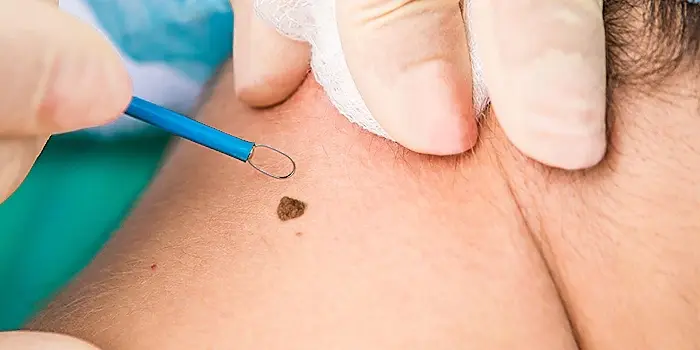
Types of Laser Techniques Used
There are multiple laser-based methods used in wart removal, each designed to handle specific skin conditions. One commonly used technique targets the blood vessels that nourish the wart, effectively cutting off its growth support system. Over time, this causes the wart to shrink and disappear naturally.
Another technique focuses on directly breaking down the wart tissue through controlled energy bursts. This method is often used for warts that are more stubborn or deeply rooted in the skin layers.
These techniques are selected based on careful skin evaluation. The adaptability of laser technology allows for a more personalized approach, which contributes to its growing acceptance in modern skin care practices.
Suitability and Expected Experience
Laser wart removal is generally considered suitable for individuals who seek a precise and controlled method of addressing wart concerns. It is often chosen by those who prefer a non-invasive approach that focuses on targeted treatment rather than broader skin intervention.
The experience is typically straightforward, with attention given to comfort and precision. Since the procedure is localized, it allows individuals to resume their normal activities without significant interruption. This makes it a practical option for those with active lifestyles or busy schedules.
Skin response may vary depending on individual sensitivity and wart type, but the overall process is designed to prioritize controlled application and skin protection.
FAQs
What makes laser wart removal a modern option for skin care
Laser wart removal is considered modern because it uses focused energy to target specific skin concerns without affecting surrounding areas. This precision-based approach aligns with current preferences for controlled and efficient skin treatments.
How does laser energy affect wart tissue
The laser energy works by disrupting the structure of the wart tissue or its supporting blood supply. Over time, this leads to gradual breakdown and natural removal of the wart from the skin.
Is the process suitable for different types of warts
Yes, different laser techniques allow the process to be adapted for various wart types. The method used depends on size, depth, and skin characteristics, making it flexible for different conditions.
What can individuals generally expect during the process
Individuals can expect a focused and relatively quick procedure. The treatment is designed to be precise, targeting only the affected area while minimizing impact on surrounding skin.
Safety and Long-Term Confidence
One of the reasons this approach continues to gain attention is its emphasis on controlled application and precision. As skin technology evolves, methods like laser-based wart removal are increasingly viewed as reliable options for addressing persistent skin concerns. The structured nature of the procedure contributes to a sense of confidence among those considering it as a long-term solution for wart management.
Conclusion
In summary, laser-based wart removal represents a modern and structured approach to handling unwanted skin growths with precision and care. Its focus on targeted energy application, adaptability to different skin conditions, and overall controlled process makes it a widely discussed option in contemporary skin care. As awareness grows, more individuals continue to explore its potential benefits for managing stubborn warts effectively.