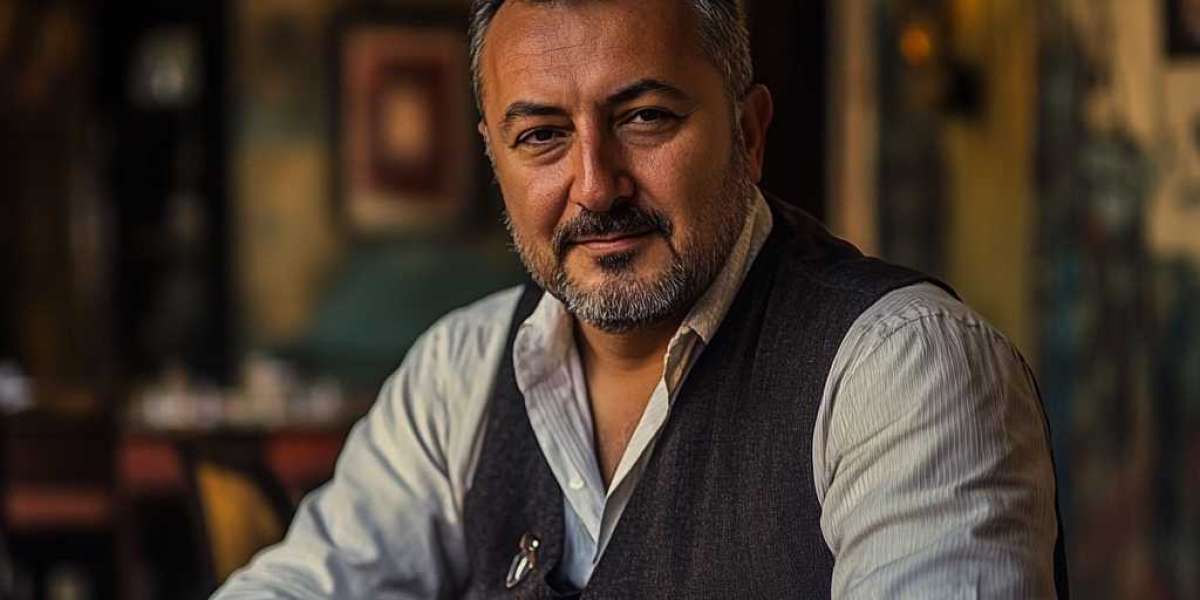
Beard density and thickness after a transplant depend on a combination of biological factors, procedural precision, and how the body responds during healing and growth cycles. Even when the procedure is technically successful, the final aesthetic outcome can vary significantly from person to person due to differences in hair characteristics, skin environment, and follicular behavior. Understanding these variables helps set realistic expectations and highlights why results are never entirely uniform. In modern aesthetic procedures, Beard Hair Transplant in Dubai is often discussed in relation to advanced hair restoration approaches where natural-looking density is a key goal, but achieving optimal fullness requires more than just graft placement; it depends on a range of influencing elements that work together over time.
Donor Hair Quality and Characteristics
One of the most decisive factors affecting beard density is the quality of donor hair. Hair that is naturally thick, strong, and closely matches facial hair texture tends to produce more visually dense results. If donor follicles are fine or sparse, the transplanted beard may appear softer or less compact. Additionally, hair diameter plays a critical role in how full the beard looks after growth. Coarser strands typically provide better coverage per graft, reducing visible gaps. The growth cycle of donor hair also influences long-term consistency, as stable follicles are more likely to maintain thickness and continue producing robust hair over time.
Precision of Graft Extraction and Placement
The technique used during extraction and implantation directly affects how many grafts survive and successfully grow. Careful handling of follicles ensures minimal trauma, which significantly improves survival rates. The angle, depth, and direction in which grafts are placed also determine how natural and dense the beard appears once fully grown. If follicles are not aligned with natural facial hair patterns, the result may look uneven or patchy even if the number of grafts is sufficient. High precision during placement helps mimic natural beard contours, enhancing both density perception and aesthetic harmony across the face.
Graft Survival Rate and Healing Response
Not all transplanted follicles survive the initial post-procedure phase, making graft survival rate a major determinant of final density. During the early healing period, newly implanted grafts must establish blood supply to remain viable. If this process is disrupted due to poor healing conditions or physical irritation, some follicles may fail to grow. The body’s inflammatory response also plays a role, as excessive swelling or sensitivity can impact follicle stability. A smooth and well-managed recovery phase typically results in a higher percentage of surviving grafts, leading to improved beard thickness and overall fullness.
Blood Supply and Skin Health
The condition of the skin where grafts are implanted significantly influences how well follicles integrate and thrive. Healthy skin with strong vascularization supports better oxygen and nutrient delivery to newly placed grafts. Poor circulation, on the other hand, can delay healing and reduce growth efficiency. Skin that is free from underlying conditions such as chronic inflammation or scarring tends to respond more favorably, allowing for consistent and even beard development. Over time, improved blood flow ensures that transplanted follicles maintain strength and produce thicker hair strands.
Hormonal and Genetic Influences
Hormones, particularly androgens, have a direct impact on facial hair development and thickness. Individuals with higher sensitivity to these hormones often experience stronger beard growth after transplantation. Genetics also plays a major role, determining both the natural density of facial hair and the potential response of transplanted follicles. Even when grafts are successfully implanted, genetic predisposition can influence how thick or sparse the final beard appears. These internal biological factors are beyond procedural control but remain essential in shaping long-term outcomes.
Lifestyle, Nutrition, and Maintenance Factors
Post-transplant beard density is also influenced by lifestyle choices and nutritional habits. A balanced diet rich in proteins, vitamins, and essential fatty acids supports keratin production, which is vital for strong hair structure. Hydration and proper skincare routines help maintain a healthy facial environment, allowing transplanted follicles to thrive. Poor habits such as smoking or chronic stress can reduce blood circulation and slow hair growth, ultimately affecting final density. Consistent maintenance and healthy living practices contribute significantly to maximizing the visual thickness of the beard over time.
Beard growth after transplantation is a gradual process shaped by multiple interconnected factors, each contributing to the final visual density and texture. While procedural accuracy lays the foundation, biological response and long-term care determine how full and natural the beard ultimately appears. In discussions surrounding Beard Hair Transplant, it becomes clear that achieving optimal thickness is not reliant on a single factor but rather a combination of donor quality, implantation precision, healing efficiency, and lifestyle consistency that together define the final aesthetic outcome.