
Foreclosure is the legal procedure a loan provider utilizes to take ownership of your home if you default on a mortgage loan. It's expensive to go through the foreclosure procedure and causes long-term damage to your credit score and monetary profile.
Right now it's fairly unusual for homes to enter into foreclosure. However, it is very important to comprehend the foreclosure process so that, if the worst takes place, you know how to survive it - and that you can still go on to grow.
Foreclosure meaning: What is it?
When you secure a mortgage, you're accepting use your home as collateral for the loan. If you fail to make prompt payments, your lender can reclaim your house and sell it to recoup some of its money. Foreclosure guidelines set out precisely how a creditor can do this, however also provide some rights and defenses for the homeowner.
At the end of the foreclosure procedure, your home is repossessed and you must vacate.
How much are foreclosure costs?
The typical property owner stands to pay around $12,500 in foreclosure costs and charges, according to data from the Consumer Financial Protection Bureau (CFPB).
The foreclosure procedure and timeline
It takes around 2 years on average to complete the foreclosure procedure, according to data covering foreclosure filings during the 3rd quarter of 2024 from ATTOM. However, non-judicial foreclosures can take only a couple of months.
Understanding the foreclosure procedure
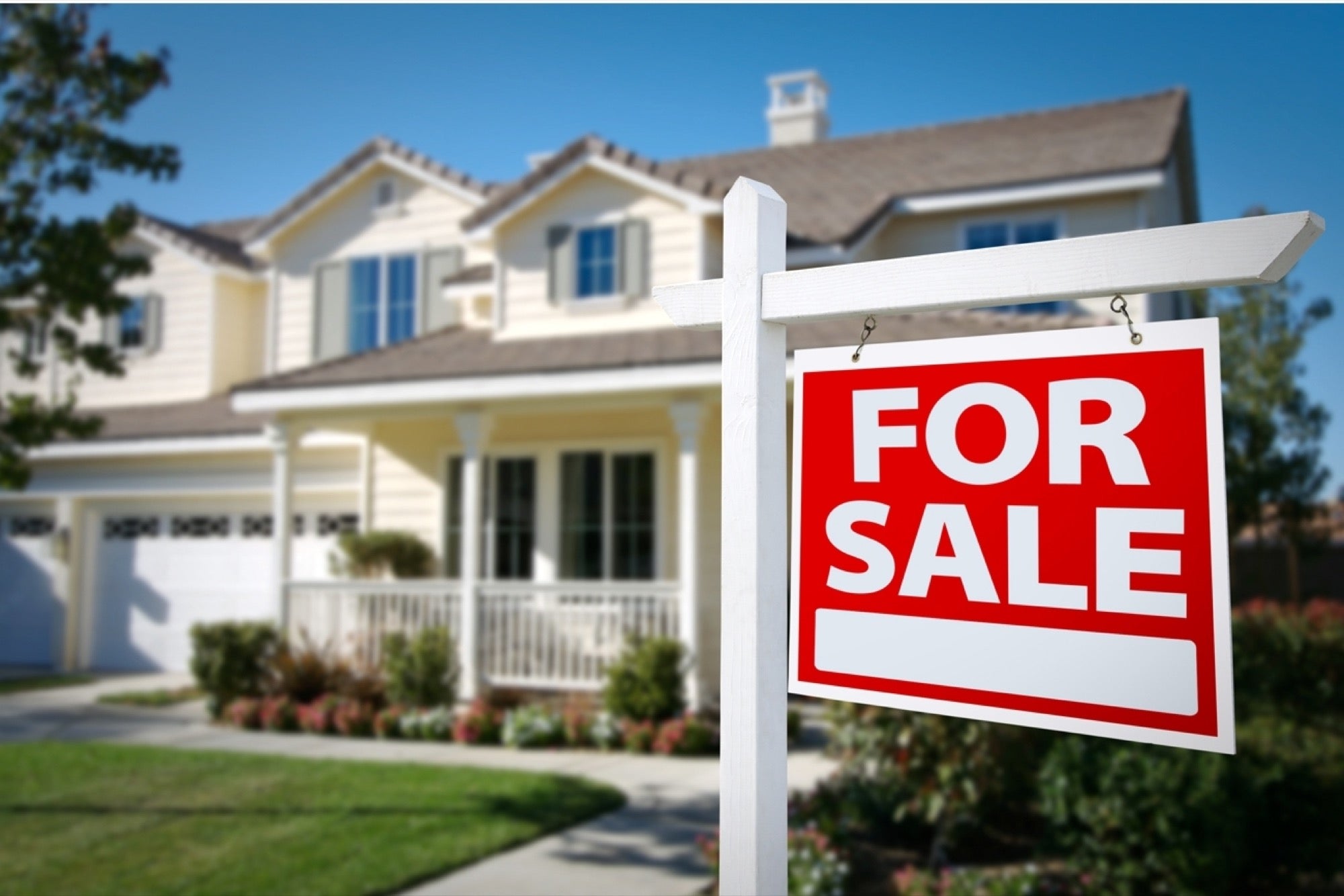
Typically, your lender can't initiate foreclosure unless you're at least 120 days behind on your mortgage payments - this is called the pre-foreclosure duration.
During those 120 days, your loan provider is also required to offer "loss mitigation" options - these are alternative strategies for how you can catch up on your mortgage and/or resolve the scenario with as little damage to your credit and finances as possible.
Examples of normal loss mitigation options:
- Repayment plan
- Forbearance
- Loan modification
- Short sale
- Deed-in-lieu
For more detail about how these options work, jump to the "How to stop foreclosure" area below.
If you can't work out an alternative payment strategy, though, your lender will continue to pursue foreclosure and repossess your house. Your state of house will dictate which type of foreclosure process can be used: judicial or non-judicial.
The 2 types of foreclosure
Non-judicial foreclosure
Non-judicial foreclosure means that the financial institution can take back your home without going to court, which is typically the quickest and cheapest alternative.
Judicial foreclosure
Judicial foreclosure, on the other hand, is slower because it needs a creditor to file a suit and get a court order before it can take legal control of a home and sell it. Since you still own the home up until it's offered, you're legally enabled to continue residing in your home till the foreclosure process concludes.
The monetary repercussions of foreclosure and missed payments
Immediate credit damage due to missed payments. Missing mortgage payments (also referred to as being "overdue") will affect your credit rating, and the higher your score was to begin with, the more you stand to lose. For example, if you had a 740 score before missing your very first mortgage payment, you might lose 11 points in the two years after that missed out on mortgage payment, according to risk management consulting company Milliman. In contrast, someone with a starting score of 680 may lose just 2 points in the very same circumstance.
Delayed credit damage due to foreclosure. Once you enter foreclosure, your credit history will continue to drop. The exact same pattern holds that we saw above with missed out on payments: the greater your rating was to start with, the more precipitously your score will drop. For example, if you had a 780 score before losing your home, you might lose as numerous as 160 points after a foreclosure, according to data from FICO.com. For comparison, someone with a 680 beginning rating most likely stands to lose only 105 points.
Slow credit healing after foreclosure. The data also show that it can take around three to seven years for your rating to fully recuperate after a foreclosure, brief sale or deed-in-lieu of foreclosure.
How quickly can I get a mortgage after foreclosure?
The bright side is that it's possible to get another mortgage after a foreclosure, simply not instantly. A foreclosure will remain on your credit report for 7 years, however not all lenders make you wait that long.
Here are the most typical waiting duration requirements:
Loan programWaiting periodWith extenuating situations
Conventional7 years3 years
FHA3 yearsLess than 3 years
VA2 yearsLess than 2 years
USDA3 yearsLess than 3 years
How to stop foreclosure
If you're having monetary troubles, you can connect to your mortgage lender at any time - you do not need to wait up until you're behind on payments to get aid. Lenders aren't just needed to use you other options before foreclosing, however are typically motivated to help you avoid foreclosure by their own monetary interests.
Here are a couple of alternatives your mortgage lending institution may have the ability to offer you to reduce your financial challenge:
Repayment plan. A structured strategy for how and when you'll get back on track with any mortgage payments you have actually missed, along with make future payments on time.
Forbearance. The loan provider concurs to minimize or strike "time out" on your mortgage payments for a period of time so that you can capture up. During that time, you won't be charged interest or late fees.
Loan adjustment. The lender customizes the regards to your mortgage so that your monthly payments are more budget-friendly. For example, Fannie Mae and Freddie Mac offer the Flex Modification program, which can decrease your payments by 20%.
Deed-in-lieu of foreclosure. Also referred to as a mortgage release, a deed-in-lieu allows you to transfer legal ownership of your home to your mortgage lending institution. In doing so, you lose the possession, and suffer a temporary credit score drop, but gain freedom from your commitment to repay what remains on the loan.
Short sale. A brief sale is when you offer your home for less than ("brief" of) what you owe on your mortgage loan. The money goes to your mortgage loan provider, who in return agrees to launch you from any more financial obligation.
Moving forward from foreclosure
Although home foreclosures can be frightening and disheartening, you need to face the process head on. Connect for aid as quickly as you start to have a hard time to make your mortgage payments. That can mean dealing with your lender, consulting with a housing therapist or both.