

In recent years, the aviation industry has witnessed a significant transformation, particularly in the realm of private air travel. Traditionally seen as a luxury reserved for the elite, top private jets charter companies flights are now becoming increasingly accessible to a broader demographic, thanks to the emergence of various innovative business models and technological advancements. This case study delves into the factors contributing to the rise of affordable private flights, the companies leading this charge, and the implications for the future of air travel.
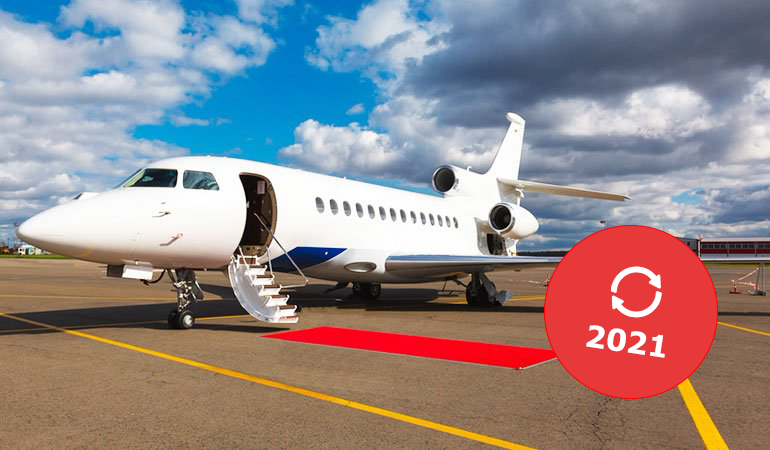
The Changing Landscape of Private Aviation
Historically, private air travel was synonymous with opulence and exclusivity. The high costs associated with owning or chartering a private jet often placed it out of reach for all but the wealthiest individuals and corporations. However, a shift began to occur in the early 2010s, driven by several key factors:
- Technological Innovations: The advent of digital platforms and mobile applications has revolutionized how consumers book and manage flights. Companies like JetSuite, Blade, and Wheels Up have developed user-friendly apps that allow passengers to book private flights with ease, similar to how one would book a ride-sharing service.
- Fractional Ownership and Jet Cards: Programs such as fractional ownership and jet cards have made private flying more economical. Fractional ownership allows multiple individuals or companies to share the cost of a jet, while jet cards enable users to purchase flight hours in advance, reducing the overall cost of private air travel.
- On-Demand Charter Services: The rise of on-demand charter services has further democratized private flying. Companies like Surf Air and FlyAway offer subscription-based models that allow members to access flights on a pay-per-use basis. This model eliminates the high upfront costs typically associated with private aviation.
- Increased Competition: The entry of new players into the market has intensified competition, leading to lower prices and improved services. Established companies have also adapted to the changing landscape by offering more competitive pricing and flexible options.
Case Study: Blade Urban Air Mobility
One of the most notable examples of the shift towards affordable private flights is Blade Urban Air Mobility. Founded in 2014, Blade has positioned itself as a leader in the on-demand aviation sector, focusing on urban air transportation. Should you have just about any queries with regards to exactly where and the way to use private jets charter, you can contact us on the website. The company offers helicopter and seaplane services in major metropolitan areas, providing a convenient and cost-effective alternative to traditional private flying.
Business Model
Blade's business model revolves around the concept of "shared flights." Instead of chartering an entire aircraft, passengers can book individual seats on flights between popular destinations. This approach significantly reduces costs, making private air travel accessible to a wider audience. For example, a seat on a Blade helicopter from Manhattan to the Hamptons may cost around $795, compared to the thousands of dollars required for a private charter.
Furthermore, Blade has leveraged technology to enhance the customer experience. The Blade app allows users to book flights, track aircraft, and manage their travel itineraries seamlessly. This level of convenience has attracted a diverse clientele, from business travelers to leisure seekers.
Market Impact
Blade's success has prompted other companies to adopt similar models, further driving down prices in the private jet rental near me aviation sector. The company has also expanded its offerings, introducing new routes and partnerships with other transportation services, such as ground transportation and luxury accommodations. As a result, Blade has not only disrupted the traditional private aviation market but has also contributed to a broader shift in consumer behavior, with more individuals considering private flights as a viable option.
The Role of Technology in Cost Reduction
The integration of technology in private aviation extends beyond booking platforms. Advances in aircraft design and manufacturing have also played a crucial role in reducing costs. For instance, the development of light jets and turboprops has introduced more economical flying options for those seeking private air travel.
Additionally, the use of data analytics and artificial intelligence (AI) in flight operations has improved efficiency and reduced operational costs. Companies can now optimize flight routes, manage maintenance schedules, and predict demand more accurately, leading to significant cost savings that can be passed on to consumers.
Challenges and Considerations
Despite the promising trends in affordable private flights, several challenges remain. Regulatory hurdles, safety concerns, and environmental impacts are significant considerations that the industry must address. As private aviation becomes more popular, ensuring compliance with aviation regulations and maintaining high safety standards will be paramount.
Moreover, the environmental impact of increased private air travel raises questions about sustainability. The aviation industry is under pressure to reduce its carbon footprint, and private aviation is no exception. Companies are exploring options such as carbon offsets and sustainable aviation fuels to mitigate their environmental impact.
The Future of Affordable Private Flights
The future of affordable private flights looks bright, with continued innovation and competition expected to drive prices down further. As technology continues to evolve, the potential for new business models and services will likely emerge, catering to the changing needs of consumers.
Additionally, as more individuals become accustomed to the convenience and efficiency of private air travel, the demand for affordable options will only grow. This trend could lead to a more significant shift in the aviation landscape, where private jet charters near me flying becomes a mainstream mode of transportation rather than a luxury.
Conclusion
The rise of affordable private flights represents a significant shift in the aviation industry, driven by technological advancements, innovative business models, and changing consumer preferences. Companies like Blade Urban Air Mobility are leading the charge, demonstrating that private air travel can be accessible and economical without sacrificing quality or safety.
As the industry continues to evolve, it will be essential for stakeholders to address the challenges associated with increased private flying, including regulatory compliance and environmental sustainability. However, the potential for affordable private flights to transform the way we travel is undeniable, making it an exciting time for both consumers and the aviation industry alike.