
In recent years, there was a rising interest amongst traders in diversifying their retirement portfolios by converting their Individual Retirement Accounts (IRAs) into precious metals, significantly silver. This report aims to provide an in depth evaluation of the process, advantages, dangers, and considerations concerned in changing an IRA to silver, as effectively because the regulatory framework governing such transactions.
Understanding IRAs and Precious Metals
An individual Retirement Account (IRA) is a tax-advantaged savings account designed to assist individuals save for retirement. The two major kinds of IRAs are conventional IRAs and Roth IRAs. In a traditional IRA, contributions may be tax-deductible, and taxes are paid upon withdrawal during retirement. Conversely, Roth IRAs allow for tax-free withdrawals in retirement, supplied sure situations are met.

Treasured metals, including silver, gold, platinum, and palladium, are often considered a hedge towards inflation and economic downturns. Silver, in particular, has gained reputation because of its affordability in comparison with gold, its industrial functions, and its historical significance as a retailer of worth.
The Technique of Converting an IRA to Silver
- Choose the fitting IRA Sort: Before converting to silver, traders should determine whether they wish to work with a standard IRA or a Roth IRA. Every type has different tax implications and eligibility requirements.
- Choose a Custodian: The interior Income Service (IRS) mandates that IRAs holding bodily precious metals have to be managed by an permitted custodian. Buyers ought to choose a custodian that makes a speciality of precious metals and is experienced in handling IRA transactions.
- Open a Self-Directed IRA: A self-directed IRA permits traders to have better control over their funding choices, including the flexibility to spend money on silver. If you have any sort of questions concerning where and the best ways to utilize Weshareabundance, you can contact us at the website. This sort of IRA may be established with the chosen custodian.
- Fund the IRA: Buyers can fund their self-directed IRA by various means, together with rolling over funds from an present IRA or 401(k) or making new contributions, topic to annual contribution limits.
- Purchase Silver: As soon as the IRA is funded, the custodian will facilitate the purchase of silver. Investors can select from various types of silver, together with coins, bars, and rounds, ensuring that they meet the IRS requirements for IRA-eligible valuable metals.
- Storage of Silver: The IRS requires that physical silver held in an IRA be stored in a safe, authorised facility. Investors should be certain that their custodian gives correct storage solutions compliant with IRS rules.
Advantages of Converting an IRA to Silver
- Diversification: Changing an IRA to silver offers buyers with a method to diversify their portfolios. Valuable metals often behave differently than stocks and bonds, which may also help mitigate risk throughout market volatility.
- Inflation Hedge: Silver has historically been viewed as a hedge against inflation. As the worth of foreign money decreases, the value of silver typically will increase, preserving buying energy.
- Tangible Asset: In contrast to stocks or bonds, silver is a bodily asset that buyers can hold. This tangibility can present peace of mind, especially throughout economic uncertainty.
- Potential for Appreciation: Silver has the potential for vital price appreciation, driven by demand in industrial purposes, investment interest, and geopolitical factors.
Risks and Issues
- Market Volatility: The price of silver could be extremely volatile, influenced by numerous components together with economic conditions, supply and demand dynamics, and geopolitical events. Investors should be prepared for fluctuations in value.
- Liquidity Concerns: While silver is a extensively traded commodity, promoting physical silver could be less liquid than promoting stocks or bonds. Buyers ought to consider their liquidity wants before changing a significant portion of their IRA to silver.
- Storage Fees: Storing physical silver incurs prices, including storage fees charged by custodians. Traders should factor these costs into their choice to convert to silver.
- IRS Rules: The IRS has particular rules relating to the varieties of silver that may be held in an IRA. Investors should be sure that their purchases adjust to these rules to avoid penalties.
Regulatory Framework
The IRS regulates the usage of precious metals in IRAs under Internal Income Code Section 408(m). In keeping with the IRS, only sure sorts of silver are eligible for inclusion in an IRA. Eligible silver must meet the following standards:
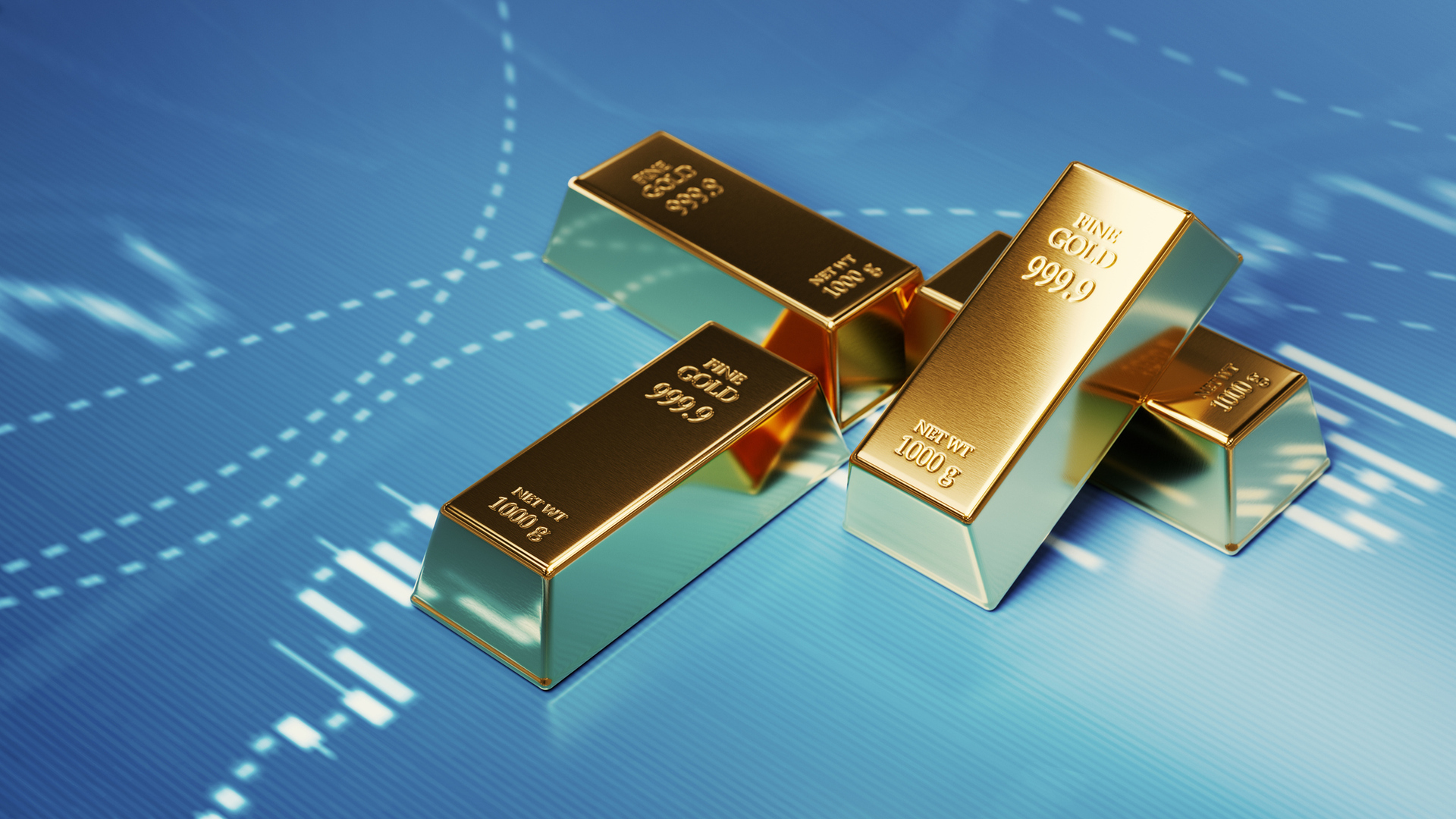
- It should be in the form of coins or bars that are at the least 99.9% pure silver.
- It have to be produced by a national government mint or an accredited refiner.
Conclusion
Changing an IRA to silver is usually a strategic move for buyers looking for to diversify their retirement portfolios and protect against financial uncertainties. Whereas the method involves a number of steps, including selecting a custodian, purchasing eligible silver, and ensuring proper storage, the potential advantages can outweigh the risks for many people. However, investors must conduct thorough analysis and consider their financial targets, threat tolerance, and market conditions earlier than making such a conversion.
In summary, because the demand for treasured metals continues to rise, changing an IRA to silver presents a viable option for these trying to enhance their retirement financial savings technique. As with every funding determination, consulting with a monetary advisor or tax professional is advisable to navigate the complexities and ensure compliance with IRS laws. By understanding both the opportunities and challenges related to this conversion, traders could make informed choices that align with their lengthy-time period financial goals.