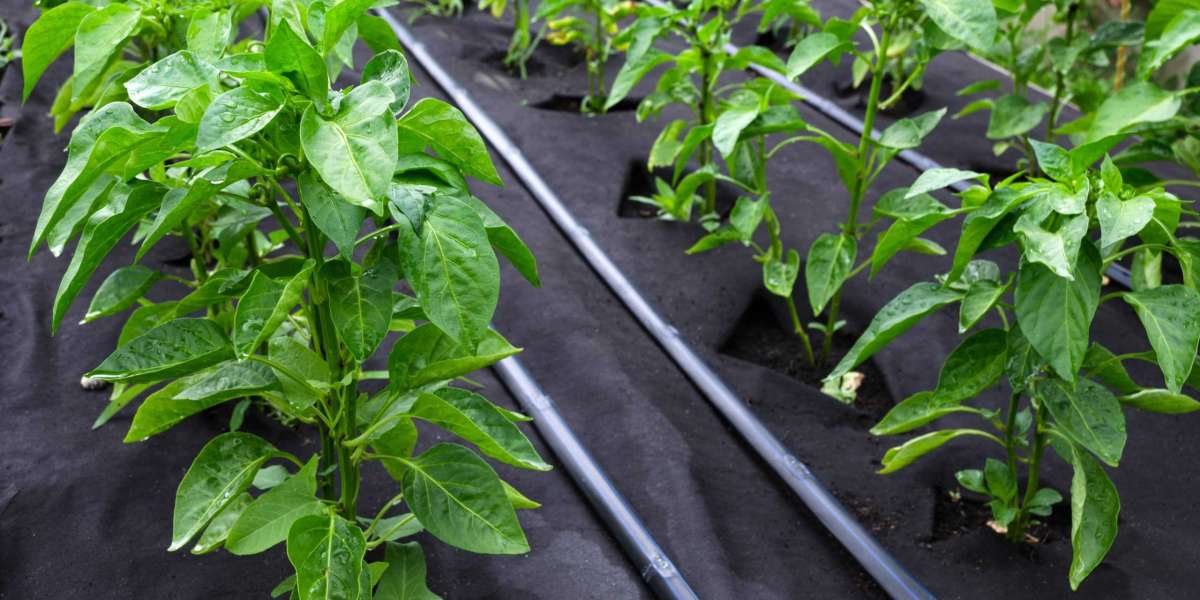

The Silent Hero of Garden and Agricultural Success
When you picture a flourishing garden or a clean, weed-free farm bed, it’s easy to overlook the hard work going on just below the surface. But beneath the mulch, gravel, or soil, one smart product plays a powerful role in keeping weeds at bay and soil conditions stable - weed mat
What is a Weed Mat?
A weed mat is a type of fabric designed to block weeds from growing without disrupting soil airflow and water penetration. It’s typically laid over the soil and covered with mulch, gravel, or other top layers depending on the use case.
Most mats are UV-resistant and made from woven or non-woven polypropylene — a material that offers long-term performance under a variety of weather conditions.
Whether you’re a backyard gardener or a commercial farmer, this mat offers both protection and peace of mind.
Understanding Weed Barrier Fabric Price
If you're budgeting for a landscaping or farming project, one of the first things you’ll want to understand is the Best weed barrier in Gujarat. Costs vary depending on fabric weight, dimensions, UV-resistance, and whether it’s woven or non-woven.
High-quality woven options often cost more upfront but last longer and offer better durability — especially in heavy-use areas or where foot traffic or weather exposure is high.
Factors influencing cost include:
- Fabric GSM (grams per square meter)
- UV treatment level
- Roll size or sheet dimensions
- Branding or customization requirements
Investing in the right type means fewer replacements and better weed suppression over the long term.
How to Choose the Right Weed Mat
Choosing the best weed mat for your needs depends on several factors:
- Soil type and moisture levels
- Expected sunlight exposure
- Intended duration (seasonal vs. long-term)
- Area size
- Plant type and root depth
In some cases, agricultural teams and landscapers also consider if their mat is coming from reliable weed control barrier suppliers — because material quality can greatly affect performance.
Other key selection criteria:
- Biodegradability (for organic or temporary projects)
- Color and heat absorption (black typically suppresses weeds best)
- Ease of cutting and fitting
- Compatibility with mulch or aggregate layers
The Role of Woven Weed Barriers
Woven weed mats, in particular, are ideal for high-traffic areas, large-scale farms, or places where soil erosion is a concern. They offer excellent water permeability while still effectively blocking weeds.
Working with experienced woven weed barrier manufacturers can ensure your project gets the right level of quality, weight, and durability.
Key benefits of woven types:
- Long-lasting and reusable across seasons
- Withstands UV exposure without disintegrating
- Prevents weeds without choking soil life
- Allows irrigation to seep through without pooling
Best Weed Barrier
Choosing the best weed barrier ensures optimal weed control and long-term durability. Whether for home gardens or agricultural use, top-quality materials offer better performance and fewer replacements.
Why Choose a Black Plastic Weed Barrier?
When it comes to visual weed suppression and heat retention, Black plastic weed barrier stands out. These are excellent in gardens and farms where extra soil warmth can accelerate plant growth — and the opaque surface prevents almost all light from reaching unwanted weeds.
Weed Barrier Fabric
The growing demand for weed barrier fabric reflects its reliability in a variety of applications — from residential yards to commercial farms. A high-quality mat means fewer chemicals, healthier plants, and better water retention.
Common Uses of Weed Mats
You’ll find weed mats in a wide variety of applications:
- Garden beds and flower borders
- Vegetable patches and greenhouse pathways
- Under artificial turf or gravel installations
- Around tree bases
- Large-scale farming rows and orchards
- Landscaping in commercial parks or public areas
Once installed, they reduce manual weeding, prevent root competition, and keep nutrients focused on the plants you want to grow. They're also ideal for maintaining aesthetic appeal in decorative settings.
Advantages of Weed Mats
- Reduces reliance on herbicides
- Preserves moisture by reducing evaporation
- Minimizes soil erosion
- Improves soil temperature regulation
- Promotes healthier root systems
When applied correctly, weed mats can significantly boost plant growth while slashing time and labor costs associated with weed removal.
Conclusion
In a world where efficiency and sustainability are priorities, weed mats stand out as one of the smartest investments for gardeners, landscapers, and farmers. They work silently below the surface — controlling weeds, maintaining moisture, and supporting plant health.
And whether you’re evaluating weed barrier fabric price, looking for reputable weed control barrier suppliers, or comparing options from Weed barrier fabric India — make sure quality and longevity are at the top of your list.
Because when it comes to the foundation of healthy growth, what’s under your soil matters just as much as what’s above it.
FAQ: Weed Mats
1.Are weed mats biodegradable?
Some mats are biodegradable, particularly those designed for short-term or organic use. Others, like polypropylene options, are built for long-term durability and are not biodegradable.
2.Can weed mats be reused?
Yes. Especially woven mats can be removed, stored, and reused across multiple planting seasons if handled properly.
3.Do I still need mulch with a weed mat?
Yes, adding mulch on top of a weed mat improves aesthetics, protects the fabric from UV, and further suppresses weed growth.
4.Can I plant through a weed mat?
Absolutely. You can cut slits or holes in the mat to insert plants or seedlings. The rest of the area stays protected.
5.How long does a weed mat last?
High-quality woven mats can last 5–10 years or more. Non-woven options typically last 1–3 seasons depending on use and weather conditions.