A land lease (or ground lease) is a plan where a tenant rents land however owns any structures on it.
- Land leases allow access to prime real estate without the in advance expense of purchasing land.
- They are frequently utilized in industrial advancements, agriculture, and mobile home parks.
- Land leases can be either subordinated (riskier for the property manager but useful for the occupant) or unsubordinated (more secure for the landlord).
- Ground lease valuation thinks about threat, lease terms, occupant creditworthiness, and area.
- The lease reversion provision suggests enhancements frequently revert to the landowner at lease end.
- Common lease lengths range from 50-99 years, and arrangements include rent escalations and upkeep responsibilities.
- Seeking legal guidance for drafting or examining a business land lease contract is advised.
A ground lease or land lease is a lease of the land. Generally, land leases can vary from 50-99 years and allow the occupant to develop on the land. In a ground lease, the landowner is different from the owner of improvements or buildings on the land.
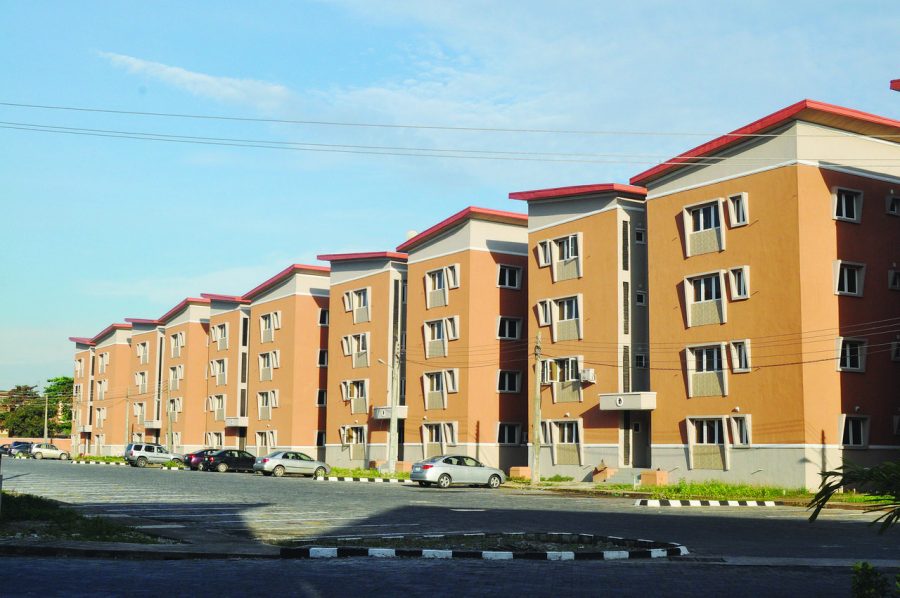
Types of Properties That Use Land Leases
Land leases are commonly found throughout several residential or commercial property types, particularly where long-lasting development or specialized use makes buying land impractical or cost-prohibitive. Some common applications consist of:
- Commercial Developments: Shopping centers, office complex, hotels, and industrial parks frequently sit on rented land.
- Agricultural Uses: Farmers may rent land to grow crops or raise livestock without owning the acreage.
- Mobile Home Parks: Residents normally own the mobile home however lease the land it sits on.
- Renewable Resource Projects: Solar or wind farms frequently run on rented land due to large land requirements.
- Public Infrastructure: Airports, transportation hubs, and federal government structures might rent land from private entities or other federal government bodies.
These leases frequently cover decades to guarantee a roi, specifically when occupants invest greatly in infrastructure or buildings.

Why Ground Leases Make Good Sense
While it can seem strange for an individual or renter to develop on another person's land, a ground lease provides various advantages to the contracting parties. Here are some of the advantages of ground leases:
- The most important advantage of a ground lease is that it permits renters to gain access to lands in prime areas where it may be difficult to purchase land.
- Ground leases conserve the occupant the preliminary cost of purchasing the land, lowering the in advance equity requirements for the investment, increasing yield, and providing liquidity for other projects.
- A ground lease offers the landowner with a constant income source from a reliable occupant without losing ownership of the land.
- Ground leases consist of arrangements that permit the landowner to increase the lease over the term of the lease and safeguard against defaults.
- Land rents normally carry a reversionary clause that makes the landowner the brand-new owner of enhancements to the land when the lease ends.

Crucial element of a Land Lease Agreement
A well-drafted land lease arrangement lays out the duties and rights of each celebration. Crucial element normally consist of:
- Lease Term: Often 50 to 99 years to line up with the lifecycle of the renter's advancement.
- Rent and Escalation Clauses: Initial rent plus routine boosts tied to inflation or market rates.
- Use Restrictions: Provisions detailing allowable use of the land (e.g., business, farming).
- Maintenance Obligations: Usually assigned to the renter, including maintenance of any structures.
- Improvements and Ownership: Tenants typically own buildings and enhancements throughout the lease term.
- Reversion Clause: Specifies that ownership of improvements may move to the landowner upon lease expiration.
- Early Termination and Default Terms: Conditions under which the lease can be ended early and remedies for breaches.
These terms assist secure both the landowner's interest and the renter's financial investment gradually.
Subordinated vs. Unsubordinated Ground Leases
Subordination is the concern of ownership interest or claims in a possession. If a building and construction loan or irreversible loan was gotten to carry out improvements on a land, the senior lending institution is offered leading concern to claims on the property as security for the funds. The ramification is that every other lending institution or claims must be subordinated. Their claims will come after the claims of the senior lending institution.
A subordinated ground lease is a land lease where the landowner has a lower top priority in the hierarchy of ownership claims on the land. This suggests that the landowner is using the land as security in a deal to fund enhancements.
While it can seem odd for a landowner to subordinate his interest in a land lease, it might be helpful for the worried celebration.
- The landowner might consent to subordinate his claims if the funds are for enhancements that will increase the value of adjacent possessions of the landowner, efficiently supplying fringe benefits for the ground lease owner.
- Subordination can likewise allow the landowner to increase lease payments and secure more beneficial lease terms.
Conversely, an unsubordinated ground lease is a land lease where the landowner keeps the top concern for claims on the residential or commercial property. Should the occupant default, a lending institution has no legal right to assume ownership of the land. Unsubordinated ground leases generally have lower lease rates because they offer more security for the landowner. Generally, loan providers do not like to fund unsubordinated land leases, but they consider the lease payments when financing the loan to establish the maximum loan to launch for the property.
Pros and Cons of Land Leases for Tenants and Landowners
Understanding the benefits and disadvantages of land leases can assist both celebrations determine if this structure is right for them.
For Tenants:
- Lower in advance costs than acquiring land.
- Access to high-value areas that may be otherwise unaffordable.
- Potential tax benefits through lease expense deductions.
- No land appreciation advantages.
- Uncertainty upon lease expiration or renewal negotiations.
- Potential difficulties securing funding (especially with unsubordinated leases).
For Landowners:
Pros:
- Ongoing passive earnings from rent.
- Retained land ownership with potential long-term value appreciation.
- Foreclosure of valuable enhancements after lease ends (if specified in contract).
Cons:
- Limited control over residential or commercial property usage (unless defined in lease terms).
- Risk of renter default, particularly in subordinated plans.
- Long-term leases may restrict future redevelopment opportunities.
Both celebrations need to weigh these advantages and disadvantages against their financial goals and risk tolerance.
Ground Lease Valuation
Ground lease valuation is similar to the evaluation processes of other leases or earnings streams. To establish today worth of the land lease, valuators create projections of the lease rate, escalation schedule, and terminal worth before using a discount rate to it. The discount rate depends mainly on the risk profile of the forecasted capital. Likewise, the threat profile of a land lease depends on the following:
- Subordination.
- Creditworthiness of the renter.
- Potential of the location.
- Value and quality of the improvements, and other appropriate arrangements of the lease.
It is important for the parties to have a clear understanding of the responsibilities and responsibilities of the lease. Only then can the lease terms be applied to examine a reduced cash circulation for the project.
Ground leases play a crucial function in lots of industrial realty deals. Typically, the yield of a ground lease is weak due to the fact that of the limited capital. However, money circulations from a ground lease are reasonably safe, especially for unsubordinated land leases due to their supremacy even to the mortgage. While land ownership can be a better option in some cases, land leases can use numerous advantages to occupants, designers, and landowners without transferring ownership of the asset.
Financing and Insurance Considerations
Financing enhancements on leased land can provide special challenges, especially for occupants. Key considerations consist of:

- Lender Reluctance: Some lenders are reluctant to fund advancements on leased land, specifically if the lease is unsubordinated, due to minimal security.
- Lease Term Length: Lenders generally need a lease term that surpasses the period of the loan, typically with considerable time staying after loan maturity.
- Assignment Rights: Tenants may need the ability to assign the lease to another party as a condition of financing.
- Insurance Requirements: Land leases often require occupants to carry liability, casualty, and residential or commercial property insurance for any improvements and to name the landlord as an extra insured party.
1. What is a land lease in property? A land lease is a long-lasting agreement where an occupant rents land from a landowner and often develops on it, while the land remains under the owner's name.
2. The length of time is a common land lease? Commercial land leases typically vary from 50 to 99 years, enabling renters to recover their investment in enhancements.
3. Who owns the structure on rented land? The tenant usually owns any structures or enhancements throughout the lease term. Ownership might revert to the landowner upon lease expiration, depending upon the lease terms.
4. Can you get a mortgage on a land lease residential or commercial property? Yes, however it's more complex. Lenders examine the lease's length, terms, and whether it's subordinated. Unsubordinated leases may restrict financing choices.
5. Is a land lease a great investment? It can be for both renters and proprietors. Tenants prevent upfront land expenses, while landlords earn constant earnings without providing up land ownership. However, lease terms must be thoroughly structured.

Legal guidance is highly suggested to draft financing provisions that are appropriate to all parties and safeguard the interests of both the tenant and the property manager.
If you need more information about business land lease arrangement, you can publish your legal need on UpCounsel's market. UpCounsel accepts only the top 5 percent of attorneys to its site. Lawyers on UpCounsel come from law schools such as Harvard Law and Yale Law and average 14 years of legal experience, including deal with or on behalf of business like Google, Menlo Ventures, and Airbnb.